
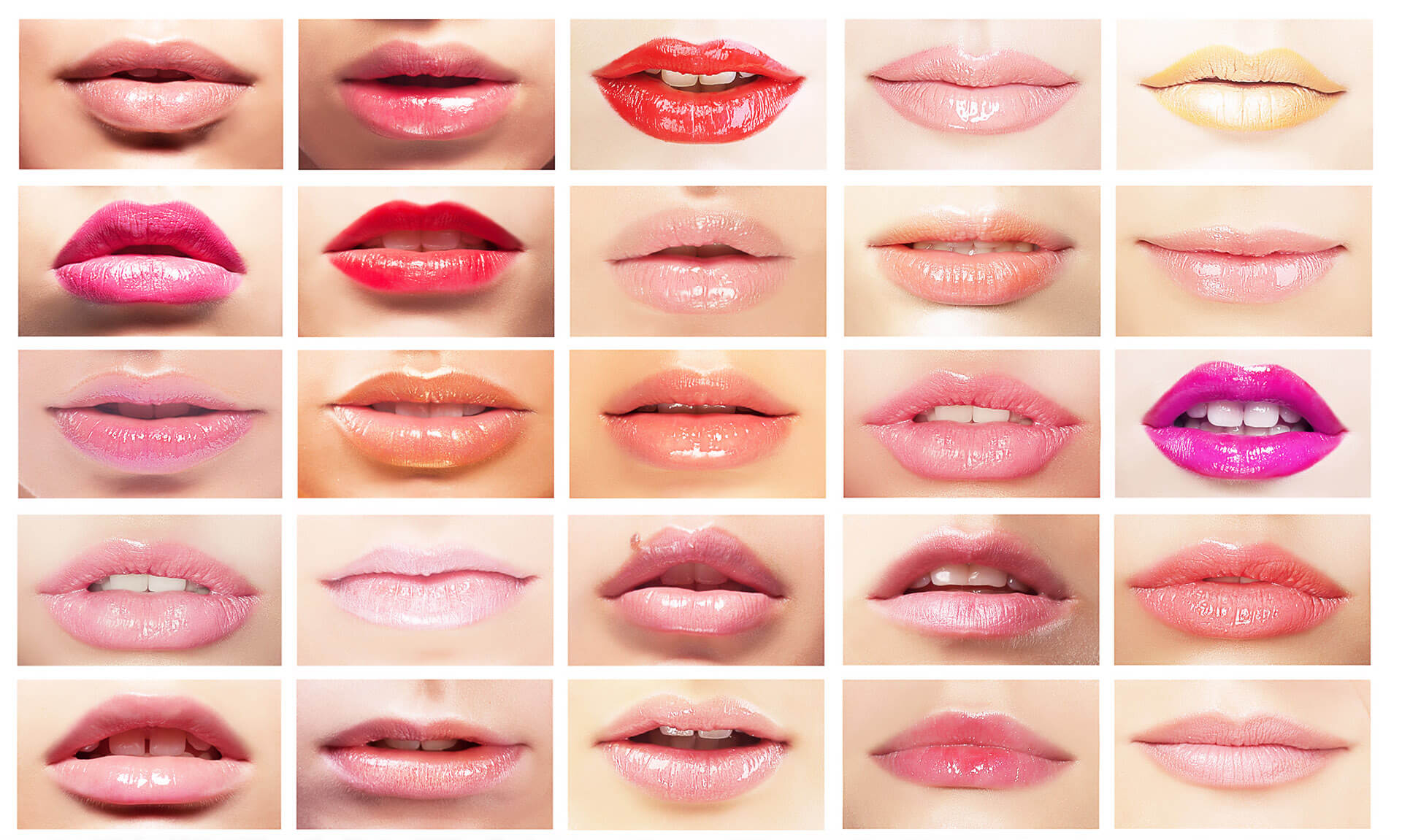
Most of us can describe our lips in simple terms, like thin or full, but that barely scratches the surface. There are several distinct lip shapes, and each one has its own symmetry, balance, and character.
Knowing your lip shape can help you understand what makes your features unique and what kind of enhancement might complement them best. Whether you want to highlight definition, add volume, or restore balance, small adjustments can make a big difference in how your lips look and feel.
This guide explores the most common types of lip shapes and includes an easy lip shape chart to help you identify yours. It also explains how treatments like lip fillers or implants can enhance your natural shape in subtle, tailored ways.
Understanding Lip Shapes: More Than Just Genetics
Your lip shape starts with genetics, but that’s only part of the story. The way your lips look is also influenced by the muscles around your mouth, your bone structure, and how your skin holds moisture and elasticity. All of these details work together to create the unique shape, curve, and fullness of your lips.
Over time, those features can shift, too. The natural loss of collagen and fat that happens with age can make lips appear thinner or less defined. Even habits like sun exposure, hydration, or how often you move your facial muscles can subtly change their appearance.
That’s why someone might notice their lips looking slightly different at 40 than they did at 25. It’s completely normal, and it’s part of what makes every person’s lips distinct.
What Are the Different Lip Shapes?
Everyone’s lips are a little different, but most fall into a few common categories. Here are some of the shapes you’ll see most often and what makes each one distinct.
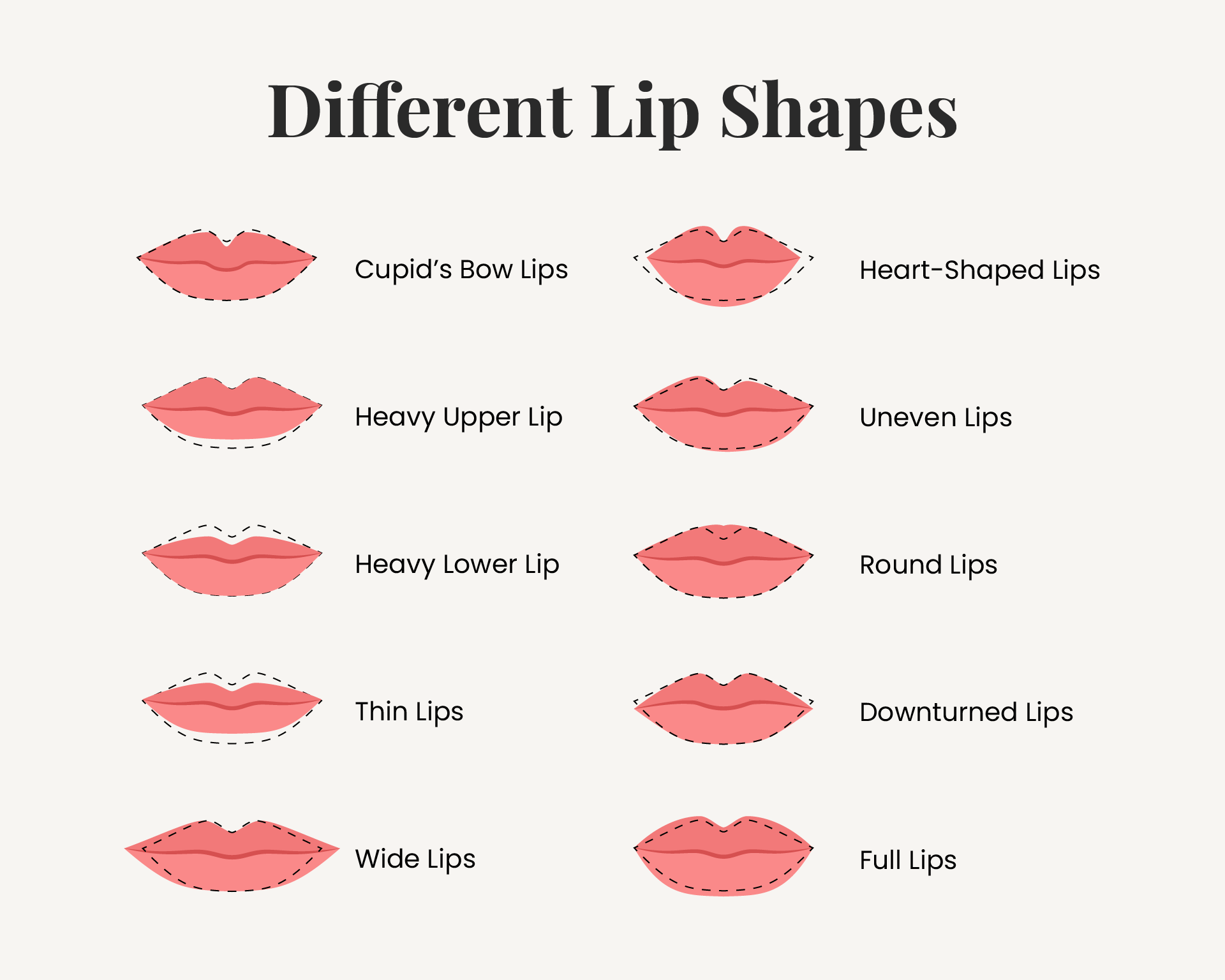
This is one of the most recognizable lip shapes. The upper lip has a defined double peak that forms a small dip in the center, creating the look of a bow. This shape naturally draws attention to the center of the face and often makes the lips appear more structured and expressive.
Heart-shaped lips are fuller in the center and taper gently toward the corners, creating a youthful, expressive look. The top lip may form a subtle “V” in the middle, while the bottom lip tends to be round and plump.
Full lips have volume throughout, with plumpness in both the upper and lower lips. This shape is often associated with a naturally youthful, hydrated look and tends to draw focus to the mouth.
Thin lips have less natural volume, which gives them a defined and understated look. Some people have a thinner upper or lower lip, while others have thinness across both. This shape can appear elegant on its own and is also one of the easiest to subtly enhance for added balance or contour.
Round lips have even curves along the top and bottom with little to no taper at the corners. This shape gives a soft, balanced appearance and often looks naturally symmetrical.
Wide lips extend farther horizontally across the face, creating the look of a broad, open smile. This shape often gives a friendly, approachable appearance and can make the lips stand out even without added volume.
When one lip is noticeably fuller than the other, it creates what’s known as a heavy upper or heavy lower shape. A heavier upper lip draws attention to the Cupid’s bow, while a heavier lower lip gives a softer, more relaxed appearance. Both are completely natural variations that can look beautiful in their own way.
In this shape, the corners of the mouth naturally tilt slightly downward, which can make the lips look more serious or relaxed at rest. It’s a common shape that can shift slightly with age as skin loses firmness around the mouth.
Lip Shapes You Can Achieve with Fillers or Implants
When it comes to lip enhancement, there isn’t just one “style” or result. Fillers and implants can do more than add volume; they can refine the edges of the lips, smooth asymmetry, and highlight features you already have. The right approach depends on your natural shape and the result you want to see in the mirror.
For people who already have a Cupid’s bow, precise filler placement can sharpen those peaks and create more lift through the center of the upper lip. This look adds structure and elegance without looking artificial.
This popular style lifts the lips vertically rather than projecting them outward. It creates a heart-like shape with a crisp upper contour and a smoother transition between the top and bottom lips. The result is refined, structured, and naturally balanced.
This is the go-to option for anyone who wants to refresh their lips without changing their overall shape. A small amount of filler restores softness and hydration, smoothing fine lines while maintaining a natural appearance.
Pillowy lips are rounded and full, with volume concentrated in the center for a soft, plush look. They appear smooth and hydrated, giving the lips a slightly more noticeable but still natural fullness.
For people with uneven proportions, this approach builds equal volume in the upper and lower lips. It enhances symmetry while keeping the lips proportional to the rest of the face.
This trending shape creates a small gap between the upper and lower lips when gently closed, forming the illusion of a “keyhole.” It gives a playful, youthful effect and works best for people with natural fullness.
What’s the Perfect Lip Shape?
It’s easy to scroll through photos of celebrities or influencers and think there’s one perfect lip shape. Full lips may look amazing on one person or slightly unbalanced on another. The truth is that lip shape and size look their best when they complement the rest of your features.
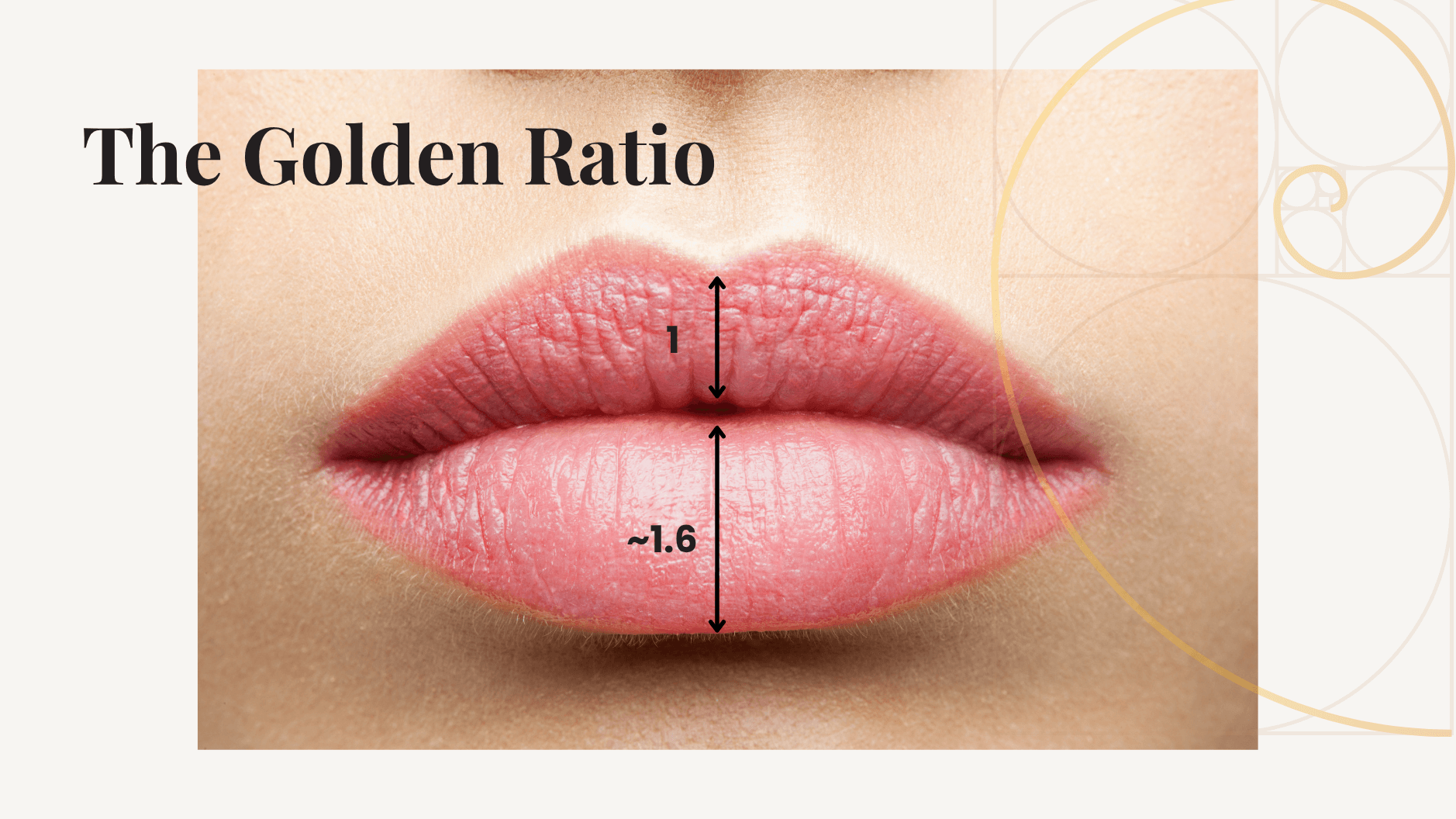
In aesthetic medicine, balance matters more than trends. The idea of a “perfect” lip often comes from the golden ratio, which suggests that the bottom lip should be a little over one and a half times the size of the top. While that proportion can create harmony for some faces, it doesn’t work for everyone. What looks natural and flattering depends on factors like bone structure, mouth width, and even how much your lips move when you smile.
That’s where a professional consultation becomes valuable. An experienced professional can assess your natural shape, proportions, and symmetry, then help you understand what adjustments, if any, would create the most balanced result for you. The goal isn’t to copy someone else’s lips but to highlight what already suits your face best.
Lip Fillers vs. Lip Implants: Choosing the Right Option for You
There are two main ways to enhance lip shape and volume.
Lip Fillers
Hyaluronic acid fillers like Juvéderm and Restylane are temporary, customizable, and ideal for people who want flexibility. They can define the edges of the lips, add subtle volume, or smooth fine lines. Results typically last six to twelve months and can be adjusted or refreshed over time.
Lip Implants
Lip implants are made of soft silicone and provide lasting volume and structure. They’re a good choice for anyone seeking a permanent result or who prefers not to maintain regular filler appointments. Recovery is brief, and once healed, the implants feel and move naturally.
A consultation can help determine which option fits best with your goals, comfort level, and lifestyle. Some people start with fillers to find their ideal shape, while others choose implants for long-term enhancement.
Ready to Explore Your Ideal Lip Shape?
Whether you’re drawn to subtle filler, a lasting implant, or something in between, your best lip shape comes from expert hands and a personalized approach. At Gulf Coast Facial Plastics in Panama City, double board-certified Dr. Daniel Daube combines advanced techniques with years of surgical artistry to create results that look natural, balanced, and completely you.
 (850) 784-7722
