
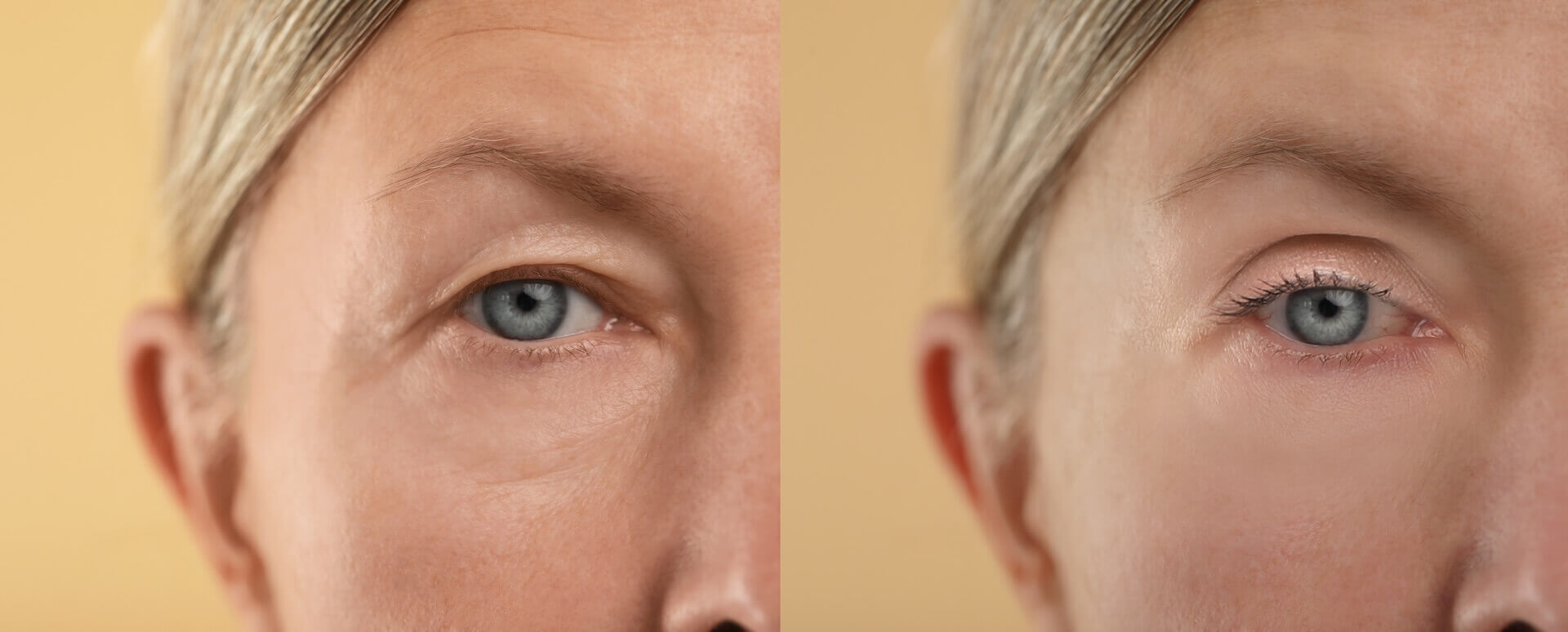
Recovery Is Gradual, but It Is Easier to Plan For
One of the first questions people ask about blepharoplasty is not about the procedure itself. It is about when they will feel comfortable returning to work, seeing friends, wearing makeup, exercising, or appearing in photos again.
A general blepharoplasty recovery timeline can help you plan, but it cannot predict an exact healing date. Upper eyelid surgery, lower eyelid surgery, and combined procedures can have different recovery needs. Your age, health, skin, surgical plan, and ability to follow aftercare instructions also affect the process.
What Blepharoplasty Is Designed to Address
Blepharoplasty in Panama City can address excess upper-eyelid skin, lower-eye bags, puffiness, or a heavy appearance around the eyes. In some patients, drooping upper eyelid tissue may also interfere with peripheral vision.
Eyelid surgery does not address every concern around the eyes. A low brow, crow’s feet, changes in skin texture, and facial volume loss may require a different treatment or a combined approach. A facial plastic surgery consultation helps identify whether the concern comes from the eyelid, brow position, skin, or another part of the face.
Before Surgery: Prepare for a Smoother First Week
Your surgeon will provide instructions based on your health and procedure. You may be asked to complete a medical evaluation, adjust certain medications with the guidance of the prescribing clinician, stop smoking, and avoid products that may increase bleeding or bruising.
Planning the practical details ahead of time can also make the first few days easier:
- Arrange for a responsible adult to drive you home and stay with you as instructed.
- Fill approved prescriptions before the day of surgery.
- Prepare cold compresses, clean linens, comfortable clothing, and easy meals.
- Move frequently used items to a height that does not require bending or straining.
- Clear your calendar of work, exercise, and social obligations for the period your surgeon recommends.
Never stop a prescribed medication on your own. Your surgical team and prescribing healthcare provider should guide any medication changes.
Days 1 to 3: Rest and Early Swelling
Swelling, bruising, tightness, mild discomfort, eye irritation, or temporary dryness may occur during the earliest stage of healing. These effects can look uneven from one side to the other and may be more noticeable in the morning.
Patients are commonly instructed to rest with the head elevated and use cold compresses as directed. Prescribed ointments or eye drops should be used exactly as instructed. Reading, television, and screen time may feel tiring at first, so give your eyes regular breaks.
Contact the surgical team promptly if you experience symptoms that concern you, especially severe or increasing pain, sudden vision changes, significant bleeding, shortness of breath, chest pain, or signs of infection. Your own post-operative instructions should always take priority over general online advice.
Days 4 to 7: Bruising Begins to Change
During the remainder of the first week, swelling and bruising generally begin to improve, although they may still be easy to see. Incisions can look pink, and the eyelids may feel tight or sensitive as they heal.
If non-dissolving sutures were used, their removal may be scheduled during an early follow-up visit. Do not rub the eyes, pull at the incisions, or apply skincare and makeup until the surgeon says it is safe. Sunglasses can help protect the area from bright light and sun when you need to go outside.
Days 7 to 14: Returning to More of Your Routine
Many patients feel more comfortable being seen in public within roughly 10 to 14 days, once the most visible bruising and swelling have eased. Some people return to desk work sooner, while others prefer additional time, especially after combined upper and lower eyelid surgery.
Feeling better does not mean the eyelids are fully healed. Continue avoiding strenuous exercise, heavy lifting, swimming, and other activities until your surgeon clears them. If makeup or contact lenses are important to your routine, ask for specific guidance instead of choosing a date based only on appearance.
Weeks 3 to 6: Subtle Swelling Continues to Settle
By this stage, the eyes often look more natural and everyday activities may feel easier. Minor swelling, incision pinkness, numbness, tightness, or sensitivity can still linger. These changes usually become less noticeable over time rather than disappearing all at once.
Your surgeon may gradually allow more exercise and skincare based on healing. Sun protection remains important because fresh incisions can be sensitive. Use the products and protective measures recommended by the surgical team.
The Following Months: Results Continue to Refine
The area around the eyes continues to settle after the early recovery period. Incision lines may remain slightly pink before gradually softening and fading, and the final result can take several months to fully develop.
Blepharoplasty can create a more rested, open appearance, but it does not stop the aging process or change the fundamental character of your eyes. The goal is a balanced result that works with your natural features. Outcomes and healing vary for every patient.
Upper and Lower Eyelid Recovery May Differ
Upper eyelid surgery focuses on excess tissue that contributes to hooding or heaviness. Lower eyelid surgery addresses bags, fullness, and loose tissue beneath the eyes. Because the procedures treat different structures, swelling, incision placement, and aftercare may differ.
A patient having both procedures at once may need a different amount of time away from public-facing work than someone having only upper eyelid surgery. Your surgeon can give you the most useful estimate after examining your eyelids and confirming the procedure plan.
Blepharoplasty or Brow Lift: Why the Difference Matters
Heavy-looking upper eyes are not always caused by the eyelids alone. A low or sagging brow can push tissue downward and create a similar appearance. In that situation, an endoscopic brow lift may be considered instead of or alongside eyelid surgery.
This is one reason an in-person evaluation matters. Treating the wrong area may not address the concern that brought you in, while a plan based on your full facial structure can create a more natural balance.
Questions to Ask at Your Consultation
Before choosing eyelid surgery, ask questions that help you understand both the procedure and the recovery:
- Am I a better candidate for upper eyelid surgery, lower eyelid surgery, or both?
- Is my brow position contributing to the heaviness around my eyes?
- How much time should I plan to take away from work and exercise?
- When can I safely wear makeup, use contact lenses, drive, and return to the sun?
- What symptoms should prompt me to call the office immediately?
- What follow-up appointments will I need?
If you will be traveling to Panama City for surgery, discuss transportation, accommodations, follow-up care, and when it is safe to return home. The practice’s cosmetic surgery fly-in program provides additional information for out-of-town patients.
Plan Your Eyelid Surgery Recovery in Panama City
The best recovery plan is the one built around your specific procedure, health, responsibilities, and support system. Dr. Daniel Daube evaluates how the eyelids relate to the brow and the rest of the face before recommending treatment, then provides individualized guidance for the healing process.
Schedule a consultation with Gulf Coast Facial Plastics to discuss blepharoplasty, your goals, and the recovery timeline you should expect.
 (850) 784-7722
