
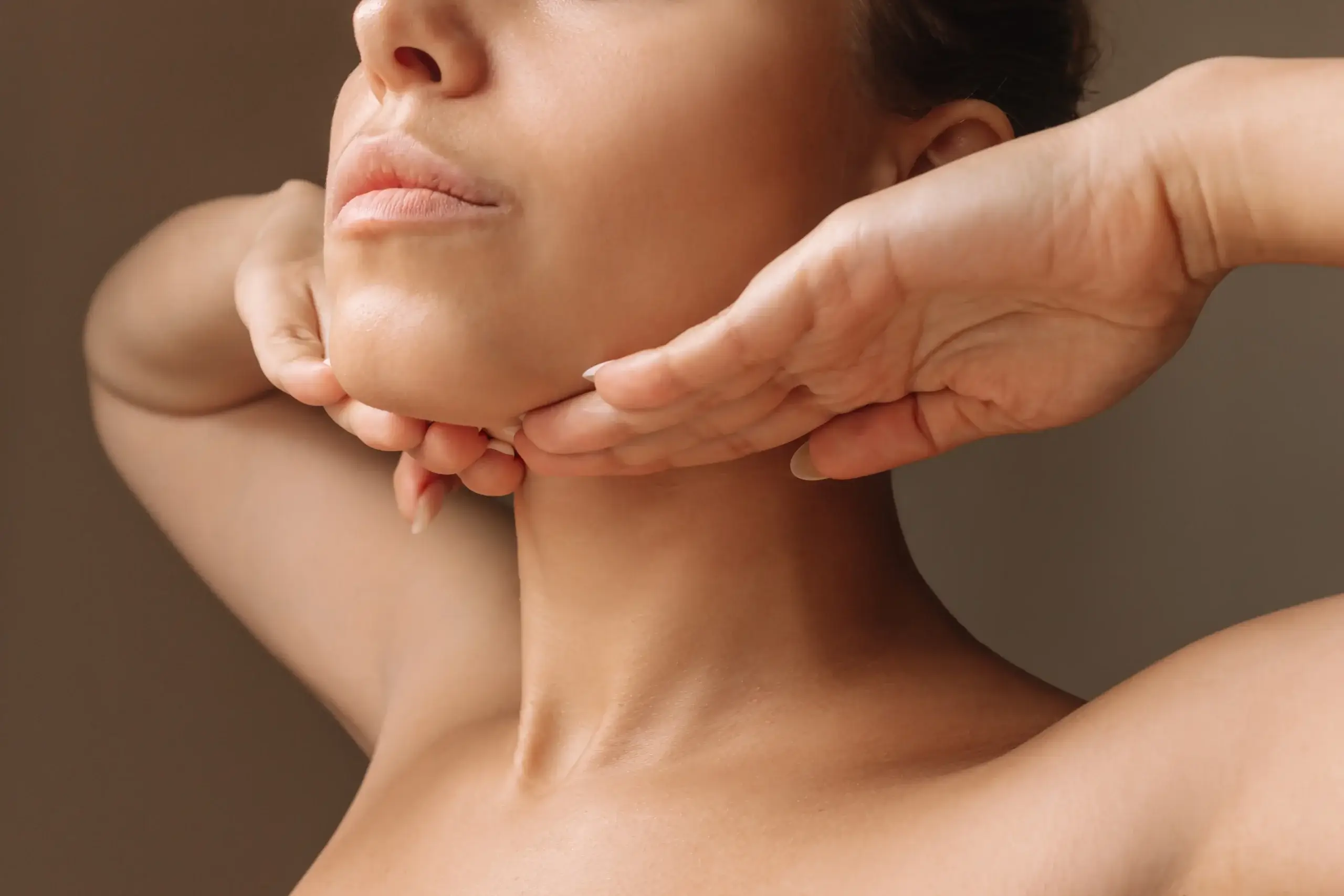
You’ve probably seen them on social media: the chin tucks, neck stretches, and “anti-aging face yoga” videos promising to tighten sagging neck skin in just weeks. The question is: do turkey neck exercises actually deliver results, or are they just another wellness trend that sounds good but doesn’t hold up?
Here’s the short answer: exercises can help strengthen neck muscles and improve posture, but they won’t eliminate loose skin or deep bands caused by aging, weight loss, or genetics. If you’re dealing with a true “turkey neck,” the kind that shows up in photos and bothers you every time you look in the mirror, exercises alone aren’t going to fix it.
In this guide, we’ll walk through what turkey neck really is, why it happens, which exercises might help (and which are a waste of time), and what treatments actually tighten sagging neck skin for good. By the end, you’ll know exactly what to expect from at-home routines and when it’s time to consider something more effective.
What Is Turkey Neck and What Causes It?
“Turkey neck” is the common term for loose, sagging skin that hangs below the chin and jawline, often forming vertical bands or folds that resemble, well, a turkey’s wattle. Medically, it’s called platysmal banding or neck laxity, and it happens when the platysma muscle (the thin, sheet-like muscle covering the front of your neck) weakens and separates over time.
Here’s what causes it:
Aging and collagen loss
As you age, your skin produces less collagen and elastin, the proteins that keep skin firm and springy. Without them, neck skin loses its structure and begins to sag. This process typically starts in your 40s or 50s, but genetics and lifestyle factors can speed it up.
Weight fluctuations
Significant weight gain stretches the skin, and rapid weight loss (especially from GLP-1 medications like Ozempic or Wegovy) can leave excess skin behind. Your skin doesn’t shrink as fast as fat disappears, which is why post-weight-loss patients often develop pronounced neck sagging.
Sun damage
UV exposure breaks down collagen faster than normal aging does. If you’ve spent years in the sun without sunscreen, your neck skin may be thinner and less elastic than it should be.
Genetics and anatomy
Some people are simply born with a weaker platysma muscle or less skin elasticity. If your parents developed turkey neck early, you’re more likely to as well. A naturally short or forward-positioned chin can also make neck sagging more visible.
Posture and “tech neck”
Years of looking down at phones and computers weakens neck muscles and creates horizontal creases. While posture issues don’t directly cause loose skin, they can make existing sagging look worse.
The important takeaway is that turkey neck isn’t just about weak muscles. It’s primarily a skin laxity and structural aging issue, which is why exercises alone don’t reverse it.
Do Turkey Neck Exercises Actually Work?
In short, sometimes, but only for specific cases.
If your concern is mild muscle weakness, poor posture, or early sagging (where skin still has some elasticity), targeted exercises can help strengthen the platysma and improve your neck’s appearance. But if you’re dealing with moderate to severe loose skin, deep vertical bands, or post-weight-loss sagging, exercises won’t tighten skin or eliminate excess tissue.
What Exercises Can Do
- Strengthen the platysma muscle: Exercises that engage the neck’s front and sides can tone the platysma, which may improve the appearance of mild bands and give your neck a firmer contour.
- Improve posture: Posture-focused exercises (like chin tucks and neck stretches) can reduce the forward head position that makes sagging look worse. Better alignment can create the illusion of a tighter neck, even if skin laxity hasn’t changed.
- Increase circulation: Movement brings blood flow to the area, which supports skin health and may improve texture over time. It won’t tighten loose skin, but it can make your neck look more refreshed.
What Exercises Can’t Do
- Tighten loose skin: Skin elasticity is determined by collagen and elastin, not muscle tone. No amount of exercise will shrink excess skin or restore lost elasticity.
- Remove deep vertical bands: Once the platysma muscle has separated and created prominent vertical cords, exercises won’t pull it back together. That requires medical intervention (like Botox, Morpheus8, or surgery).
- Reverse significant aging or weight loss changes: If your turkey neck is the result of decades of collagen loss or rapid fat loss, exercises won’t undo structural changes. You’re working against biology, not weak muscles.
The Bottom Line
Exercises are worth trying if:
- You have mild sagging and want to maintain your current neck appearance
- You’re dealing with posture-related issues that make sagging look worse
- You want a low-risk, no-cost option to try before exploring treatments
Exercises are not the solution if:
- You have moderate to severe loose skin that bothers you daily
- You’ve lost significant weight and have excess skin hanging below your chin
- You want visible, lasting improvement within a reasonable timeframe
If you’re in the second category, the best path forward is a consultation with a facial plastic surgeon who can recommend targeted treatments like Morpheus8, FaceTite, or a neck lift.
The Most Effective Turkey Neck Exercises (And How to Do Them)
If you’ve decided to try exercises, here are the moves most likely to deliver results. Consistency is key. You’ll need to do these daily for at least 8–12 weeks to see any change.
1. The Platysma Stretch (Jaw Flex)
What it targets: Front neck muscles and jawline definition
How to do it:
- Sit or stand with your shoulders relaxed
- Tilt your head back so you’re looking at the ceiling
- Push your lower jaw forward and up, as if you’re trying to touch your upper lip with your bottom teeth
- Hold for 5–10 seconds, then relax
- Repeat 10–15 times
Why it helps: This stretch engages the platysma muscle directly, which can improve tone and reduce the appearance of mild banding.
2. Chin Tucks (Posture Reset)
What it targets: Neck posture and forward head position
How to do it:
- Sit with your back straight and shoulders down
- Keep your eyes looking forward (not up or down)
- Pull your chin straight back, as if you’re making a double chin
- Hold for 5 seconds, then release
- Repeat 10–12 times
Why it helps: Chin tucks strengthen the deep neck flexors and reverse the forward head posture that makes turkey neck look worse. This won’t tighten skin, but it will improve your overall neck alignment.
3. The Neck Curl-Up
What it targets: Front and side neck muscles
How to do it:
- Lie on your back on a flat surface
- Keep your tongue pressed to the roof of your mouth (this stabilizes the neck)
- Slowly lift your head 2–3 inches off the ground, leading with your chin
- Hold for 3–5 seconds, then lower slowly
- Start with 5 reps and work up to 10–15
Why it helps: This is one of the few exercises that directly strengthens the anterior neck muscles, which can improve contour and reduce the appearance of loose tissue (if skin still has some elasticity).
4. The Tennis Ball Press
What it targets: Chin and upper neck muscles
How to do it:
- Place a tennis ball or similar-sized ball under your chin
- Press your chin down into the ball, holding firm pressure for 5–10 seconds
- Release and repeat 10 times
Why it helps: This move engages the muscles under your chin and along your jawline, which can create a subtle lifting effect if done consistently.
5. Lateral Neck Stretch
What it targets: Side neck muscles and posture
How to do it:
- Sit or stand with your shoulders relaxed
- Tilt your head slowly to the right, bringing your ear toward your shoulder
- Hold for 10–15 seconds, then return to center
- Repeat on the left side
- Do 3–5 reps per side
Why it helps: Stretching the lateral neck muscles improves flexibility and can reduce tension that makes sagging look worse. It’s more about posture and muscle balance than skin tightening.
How long before you see results?
If exercises are going to help, you’ll typically notice subtle improvements in 8–12 weeks. Changes might include better neck posture, a slightly firmer contour, or reduced visibility of mild bands. But if you’re not seeing any difference after 3 months of consistent effort, it’s a sign that your turkey neck is beyond what exercises can address.
What Actually Works: Treatments That Tighten Sagging Neck Skin
If you’ve tried exercises and aren’t seeing the results you want, or you know your sagging is too advanced for at-home solutions, here’s what actually works.
Morpheus8 (Radiofrequency Microneedling)
What it is: A minimally invasive treatment that uses tiny needles to deliver radiofrequency energy deep into the skin, stimulating collagen production and tightening tissue from the inside out.
Best for: Mild to moderate sagging, early vertical banding, and skin texture improvement
What to expect:
- 3–4 sessions spaced 4–6 weeks apart
- Mild redness and swelling for 2–3 days after each session
- Gradual tightening over 3–6 months as new collagen forms
Why it works: Morpheus8 neck treatments address the root cause of turkey neck, collagen loss, by triggering your body to rebuild stronger, tighter skin. It won’t remove large amounts of excess skin, but it can significantly improve contour and texture without surgery.
FaceTite (Radiofrequency-Assisted Liposuction)
What it is: A minimally invasive procedure that combines liposuction with radiofrequency energy to remove fat and tighten skin at the same time.
Best for: Moderate sagging with excess fat under the chin and along the jawline
What to expect:
- Single in-office procedure under local anesthesia
- Minimal downtime (3–5 days of swelling and bruising)
- Full results visible in 3–6 months
Why it works: FaceTite neck contouring not only removes unwanted fat but also contracts the skin, creating a smoother, more defined neck and jawline. It’s ideal for patients who don’t need a full neck lift but want more dramatic improvement than Morpheus8 alone can provide.
Neck Lift Surgery
What it is: A surgical procedure that removes excess skin, tightens the platysma muscle, and reshapes the neck for long-lasting, dramatic results.
Best for: Severe sagging, deep vertical bands, and post-weight-loss excess skin
What to expect:
- Outpatient surgery under general anesthesia
- 1–2 weeks of downtime
- Results visible within 4–6 weeks, with continued improvement over 3–6 months
Why it works: A neck lift is the only treatment that can remove significant excess skin and reposition the platysma muscle permanently. It’s the gold standard for patients with advanced turkey neck or those who want the most comprehensive, lasting improvement.
Kybella (Injectable Fat Reduction)
What it is: An FDA-approved injectable that destroys fat cells under the chin (submental fat).
Best for: Patients with good skin elasticity who primarily have excess fat, not loose skin
What to expect:
- 2–4 sessions spaced 4–6 weeks apart
- Swelling and firmness for 1–2 weeks after each treatment
Why it works: Kybella can improve neck contour by eliminating stubborn fat, but it doesn’t tighten skin. If you have loose skin in addition to fat, Kybella alone won’t fix turkey neck. You’ll need a skin-tightening treatment as well.
Botox (For Vertical Neck Bands)
What it is: Neuromodulator injections that relax overactive platysma muscles, softening the appearance of vertical bands.
Best for: Patients with prominent vertical cords who don’t yet need surgery
What to expect:
- Quick in-office treatment (5–10 minutes)
- Results visible in 7–10 days
- Lasts 3–4 months
Why it works: Botox treatments relax the muscles that create visible banding, smoothing the neck’s appearance. It’s not a permanent solution, but it’s effective for maintaining a tighter look between more comprehensive treatments.
How to Choose the Right Treatment (And When to See a Specialist)
Choosing the right treatment depends on three factors: the severity of your sagging, your skin’s elasticity, and your goals for improvement.
Mild sagging (skin still has bounce, no deep bands)
Best options: Morpheus8, maintenance skincare, or Botox for early banding
Moderate sagging (visible loose skin, some vertical bands, mild jowling)
Best options: FaceTite, Morpheus8 + FaceTite combination, or a mini neck lift
Severe sagging (significant excess skin, deep vertical bands, post-weight-loss changes)
Best options: Neck lift surgery, sometimes combined with liposuction or facelift
Not sure where you fall?
If you’re reading descriptions and still aren’t certain which category fits you, that’s a sign it’s time to consult a facial plastic surgeon. A specialist can assess your skin quality, muscle tone, and anatomy to recommend the treatment (or combination of treatments) that will give you the best results.
At Gulf Coast Facial Plastics, Dr. Daniel Daube evaluates every patient’s unique concerns and creates a personalized plan, whether that’s a single treatment or a phased approach that builds results over time.
From At-Home Efforts to Real Results
Turkey neck exercises can help if you’re dealing with mild sagging, poor posture, or early muscle weakness. But if you have moderate to severe loose skin, deep vertical bands, or post-weight-loss changes, exercises alone won’t deliver the tightening you’re looking for.
The good news: proven treatments like Morpheus8, FaceTite, and neck lift surgery can restore a smoother, more defined neck, and they’re tailored to your exact level of sagging and skin quality. The key is knowing when at-home efforts have reached their limit and when it’s time to explore medical solutions that actually work.
Ready to find out what will work for your neck? Schedule a consultation with Dr. Daniel Daube at Gulf Coast Facial Plastics to discuss your options and create a plan that delivers real, lasting results.
Frequently Asked Questions
Can you get rid of turkey neck without surgery?
Yes, if you have mild to moderate sagging and good skin elasticity. Treatments like Morpheus8, FaceTite, and Kybella can tighten skin and reduce fat without surgery. However, if you have significant excess skin or deep vertical bands, a neck lift is the only treatment that delivers permanent, comprehensive results.
How long does it take to see results from neck exercises?
If exercises are going to work, you’ll typically see subtle improvements in 8–12 weeks of daily practice. If you’re not seeing any change after 3 months, it’s a sign that your turkey neck is beyond what exercises can address, and you should consider professional treatments.
What is the best nonsurgical treatment for turkey neck?
Morpheus8 is the most effective nonsurgical option for mild to moderate sagging. It stimulates collagen production and tightens skin over time without downtime or surgery. For patients with excess fat as well as sagging, FaceTite (which combines fat removal with skin tightening) often delivers the most dramatic nonsurgical results.
Will losing weight make turkey neck worse?
It depends on how much weight you lose and how quickly. Gradual weight loss usually doesn’t cause severe sagging, but rapid weight loss (especially from GLP-1 medications) can leave excess skin behind. If you’re planning significant weight loss, talk to a facial plastic surgeon about timing treatments to restore skin tightness afterward.
Can Botox fix turkey neck?
Botox can soften the appearance of vertical neck bands by relaxing the platysma muscle, but it doesn’t tighten loose skin. It’s best used as a maintenance treatment for early banding or as part of a combination approach with other tightening procedures like Morpheus8 or FaceTite.
 (850) 784-7722
