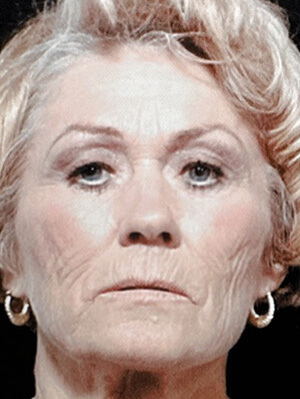
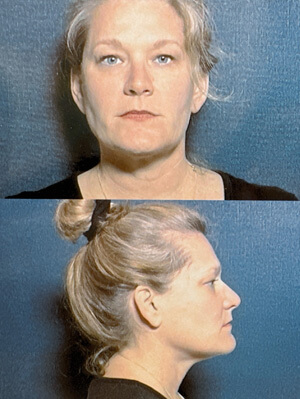
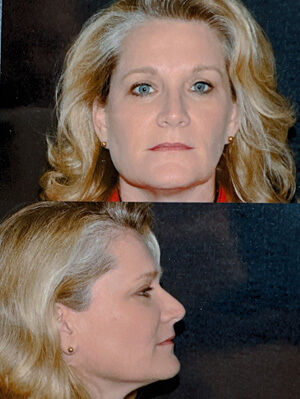
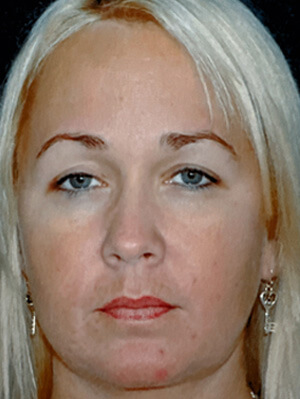
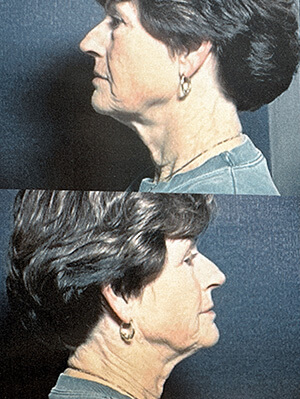
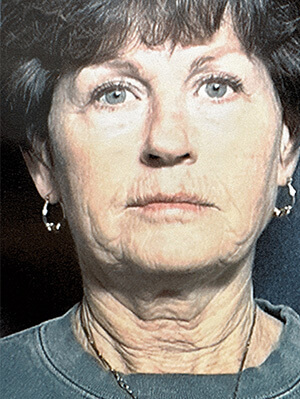
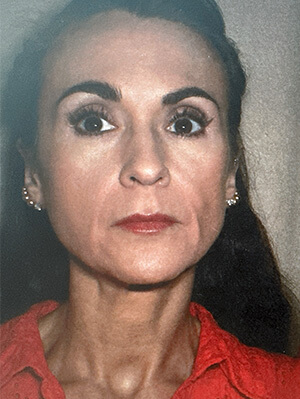
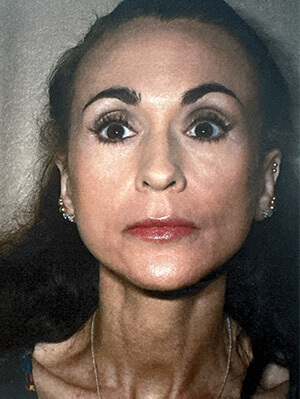
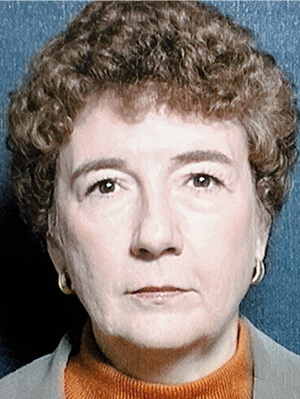
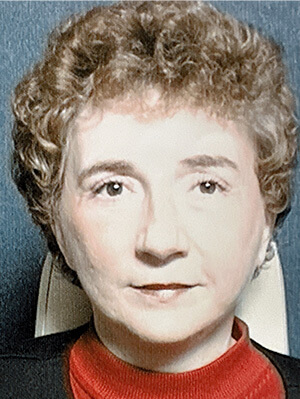
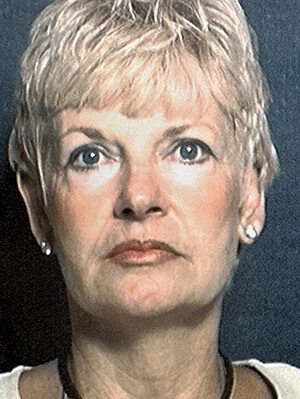
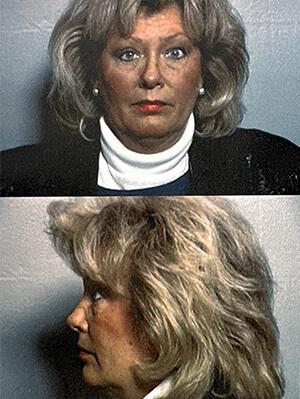
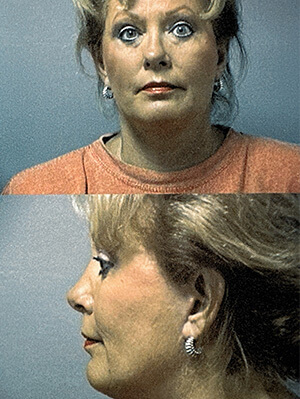
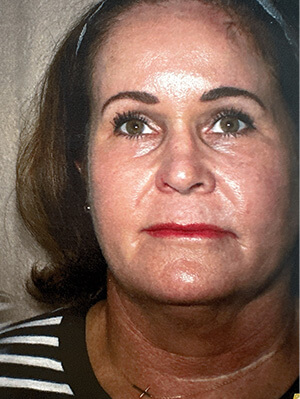
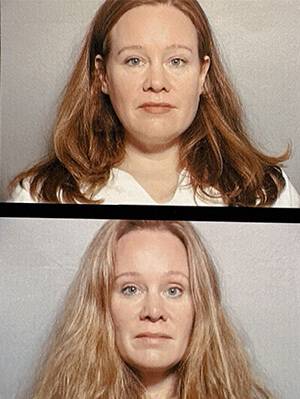
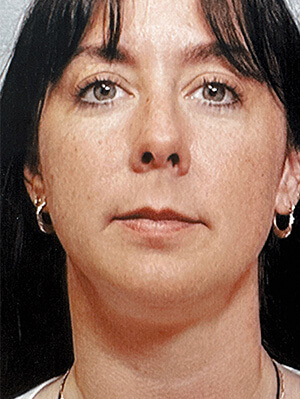
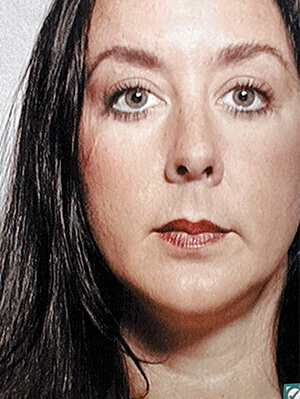
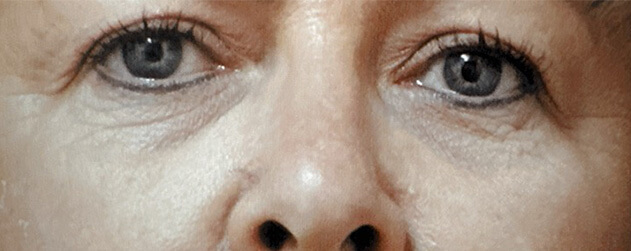
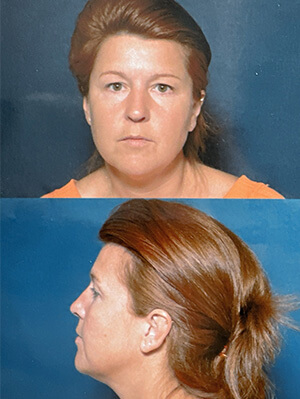
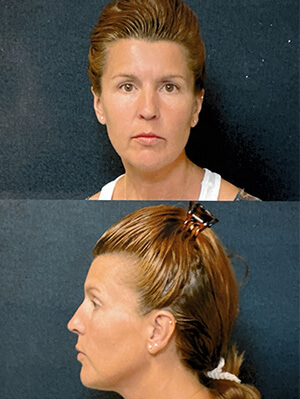
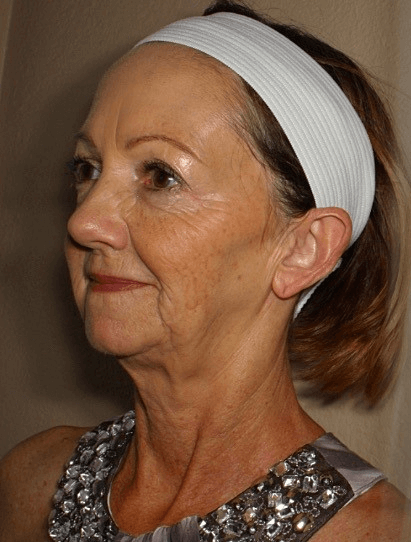
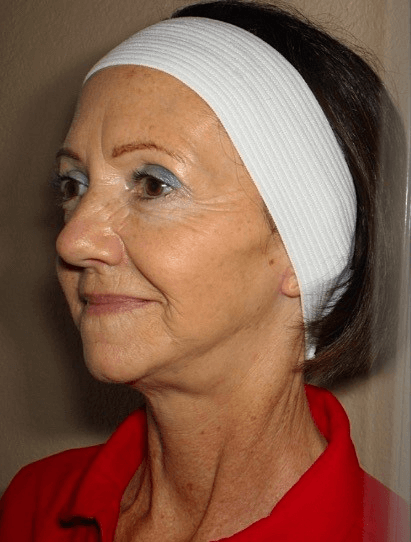
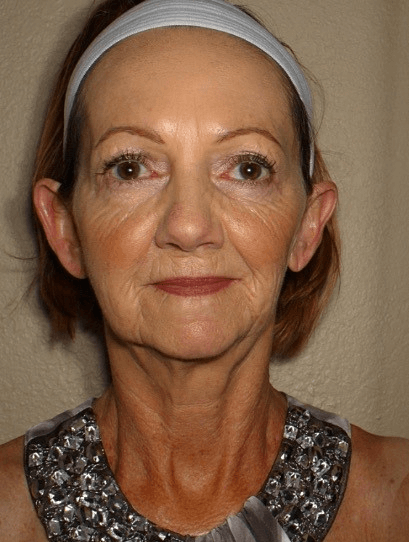
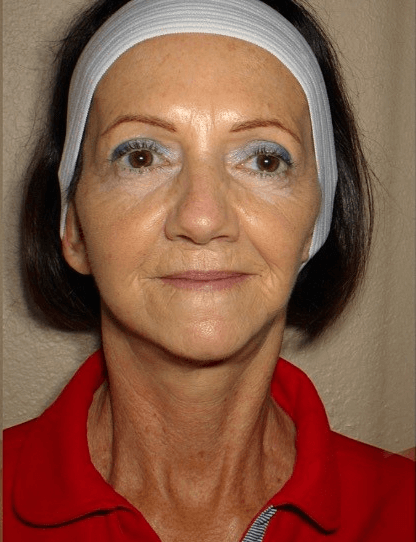
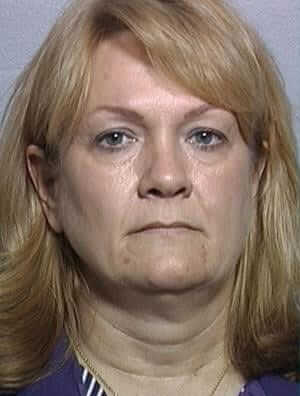
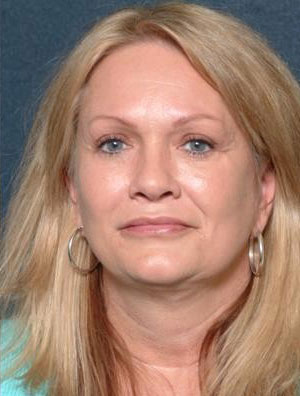
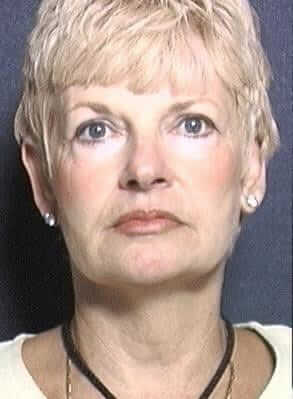
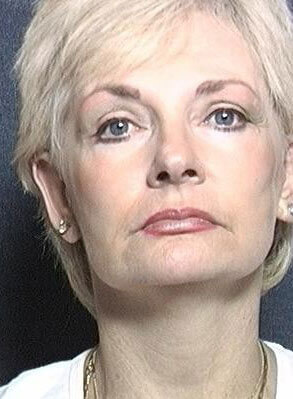
Refresh tired or drooping eyelids with expertly performed blepharoplasty in Panama City, FL. This form of eyelid surgery can help you look more awake, confident, and comfortable without changing what makes you look like you.
Blepharoplasty is a type of eyelid surgery that improves the appearance of the upper eyelids, lower eyelids, or both. It addresses excess skin and tissue around the eyes that can create a heavy, puffy, or tired look.
Upper eyelid surgery is commonly used to correct drooping or hooded lids, while lower eyelid surgery focuses on under-eye bags and fullness. Some patients benefit from treating both areas at the same time, depending on how their eyelids have changed.
Blepharoplasty can address cosmetic concerns, functional concerns, or a combination of both. Treatment is tailored to your anatomy with the goal of preserving the natural shape and expression of the eyes.
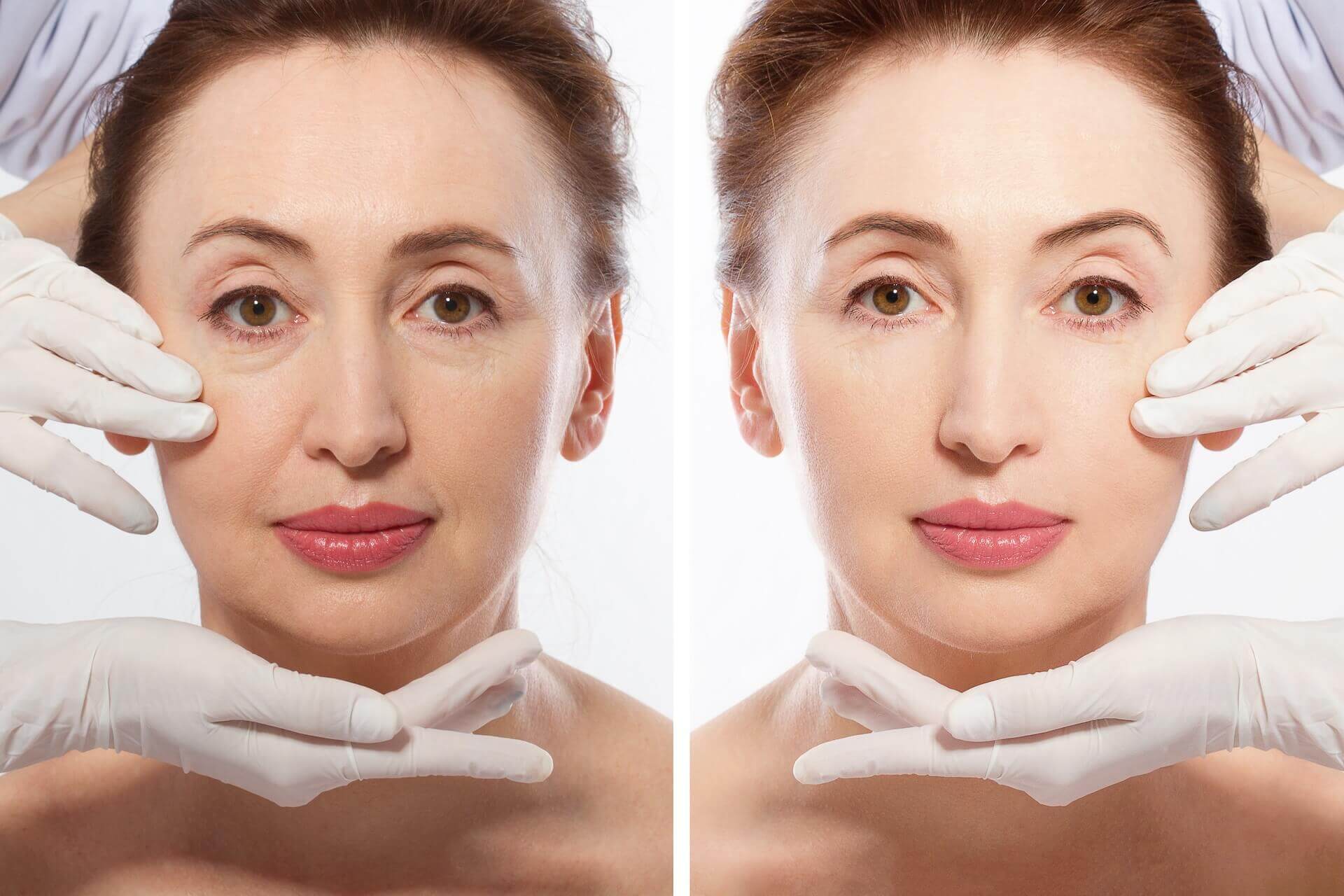
The skin around the eyes is thinner and more delicate than anywhere else on the face, which is why it often shows signs of aging first. As skin loses elasticity and the underlying support weakens, the eyelids can begin to droop or develop puffiness.
Even subtle changes in this area can stand out. Drooping upper lids may make the eyes look smaller or shadowed, while under-eye fullness can create a tired or worn appearance. Because the eyes play such a central role in facial expression, these changes often feel more noticeable than aging elsewhere.
Eyelid surgery helps correct these changes by restoring a smoother, more open look around the eyes. The focus is on helping you look refreshed while keeping your natural features intact.
In some cases, excess upper eyelid skin can also affect peripheral vision. When that happens, lifting the eyelids may improve visual comfort in addition to appearance.
Upper eyelid changes tend to happen gradually. Skin loosens, the eyelid crease becomes less defined, and the lid may rest lower than it used to. This can create a hooded appearance that makes the eyes look heavier or less open.
Many people notice this when applying makeup or looking at photos. Upper eyelid surgery helps restore a cleaner eyelid contour and improve definition while keeping the eyes natural and expressive.
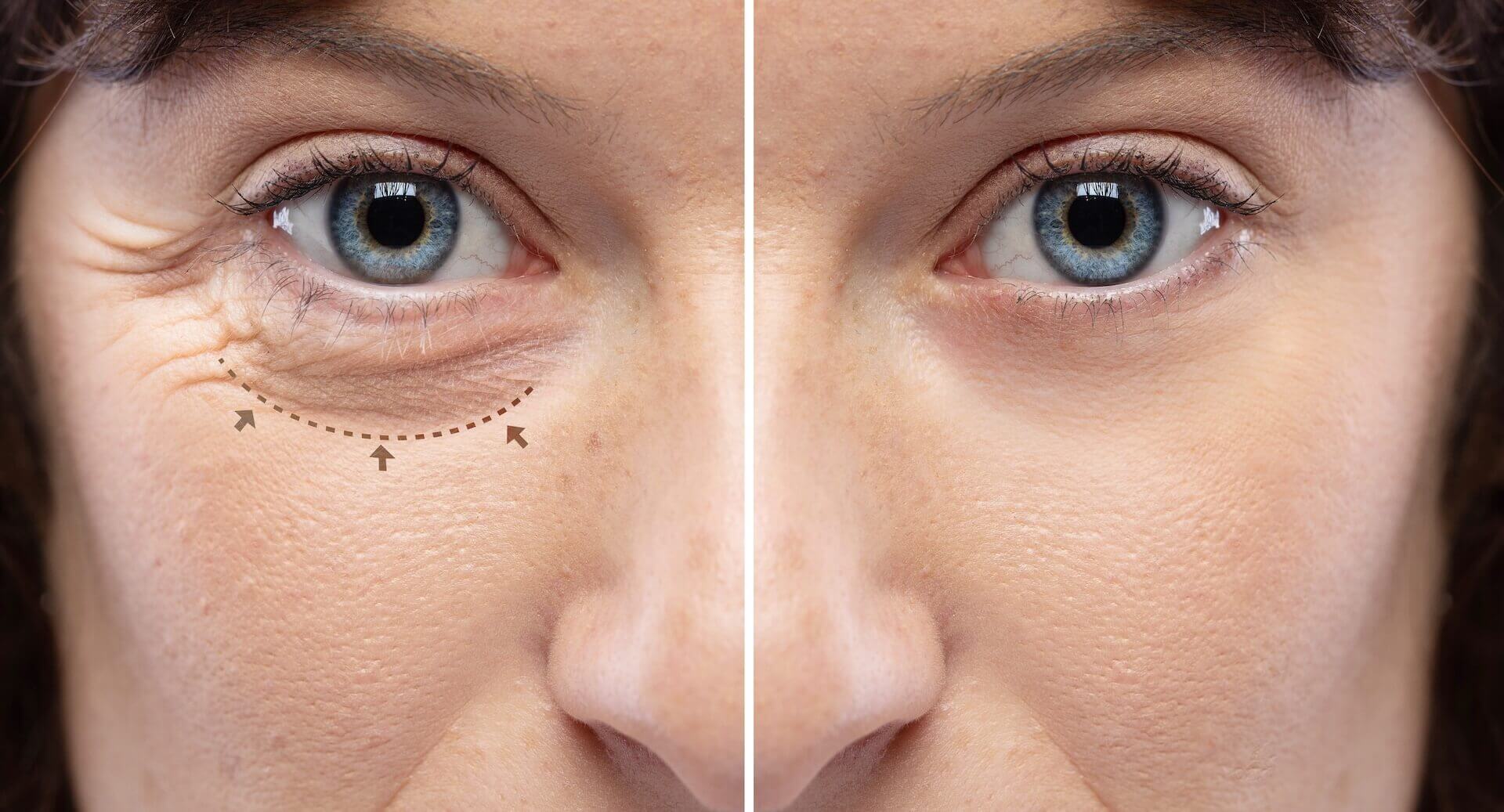
Under-eye bags are not always caused by fatigue. In many cases, they develop as the fat beneath the eyes shifts forward or the skin becomes thinner with age.
Lower eyelid surgery smooths the area beneath the eyes and softens the transition between the eyelid and cheek. The goal is a more rested, balanced appearance without flattening or changing natural features.


Eyelid surgery is not only about age. Some people notice changes gradually over time, while others develop drooping or puffiness earlier due to genetics, facial structure, or naturally heavy eyelids.
You may be a good candidate for eyelid surgery if you:
During a consultation, Dr. Daniel Daube personally evaluates your eyelids, facial structure, and overall eye balance. He explains what’s causing the changes you’re seeing and whether upper eyelid surgery, lower eyelid surgery, or a combination would be the best fit for your goals.
Eyelid surgery is typically performed using local anesthesia, sometimes with light sedation to help you stay comfortable. The procedure usually takes between one and three hours, depending on whether the upper eyelids, lower eyelids, or both are treated.
After surgery, it’s normal to have some swelling, tightness, or bruising around the eyes. These effects improve gradually over the first week, and most patients feel comfortable returning to normal daily activities within seven to ten days. Stitches are usually removed within the first week, if needed.
Healing happens in stages. Your eyes may look slightly swollen at first, then progressively smoother and more refreshed as the tissue settles. Dr. Daube provides clear aftercare instructions and follow-up visits to guide you through recovery and make sure healing stays on track.

Sometimes eyelid surgery isn’t only about appearance. When excess upper eyelid skin droops far enough, it can block part of the field of vision. Many people notice this as eye strain or the need to lift their eyebrows to see more clearly throughout the day.
If this is a concern, Dr. Daube can evaluate whether eyelid surgery may be medically necessary. In some cases, insurance requires documentation showing how the eyelids affect vision. This typically includes a visual field test performed by an eye doctor, which helps demonstrate whether the eyelid position is limiting your sight.
Dr. Daube does not perform visual field testing in our office, but he can refer patients to an eye specialist for the test if needed. If you have had a recent visual field test, you can bring those results with you to your appointment so they can be reviewed and submitted with Dr. Daube’s notes to the insurance company for consideration. Coverage ultimately depends on your specific findings and your insurance plan’s requirements.
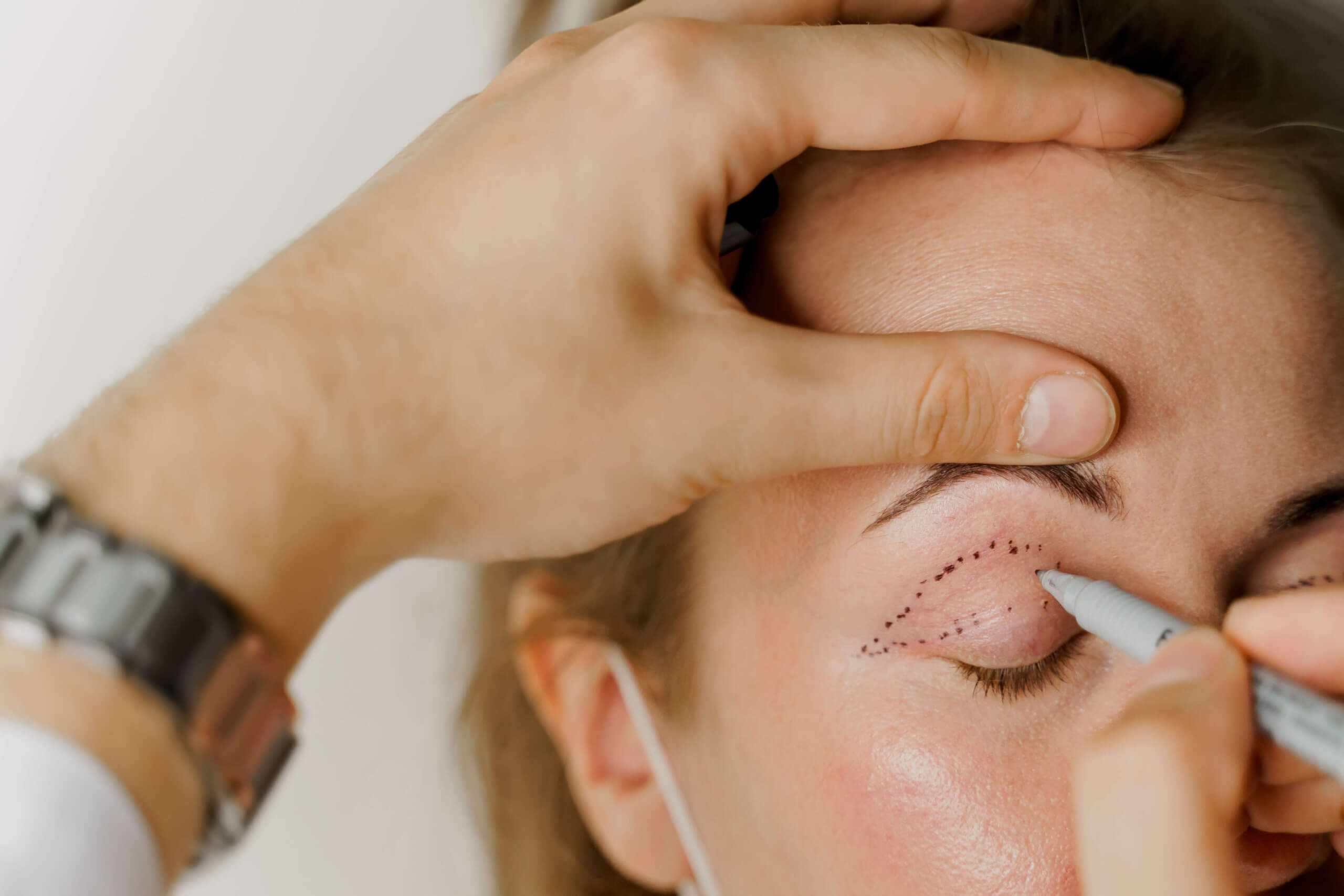
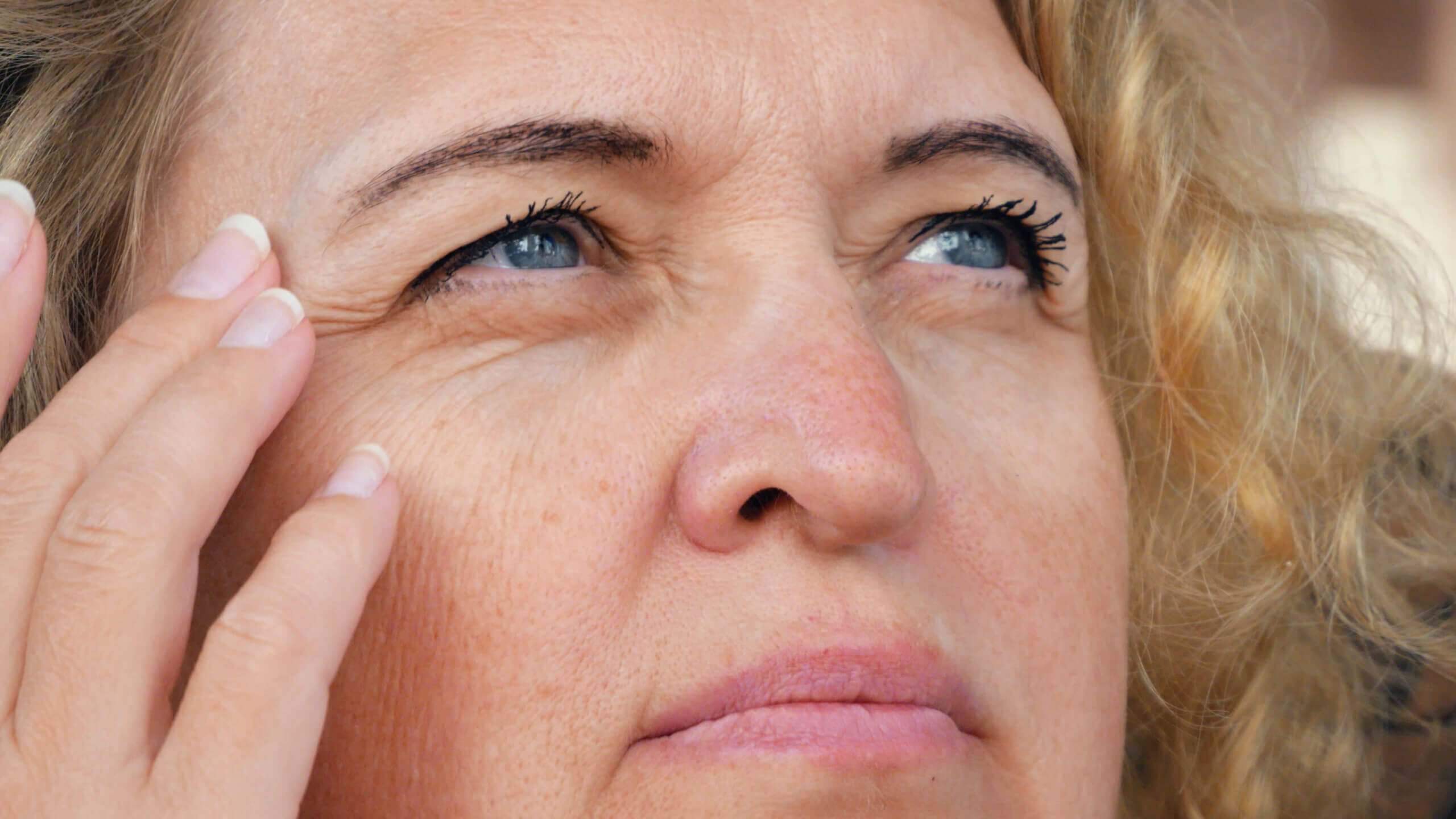
Eyelid surgery requires a careful balance between appearance and function. The eyes are delicate, expressive, and central to how the face moves, which is why precision matters.
Dr. Daniel Daube focuses exclusively on the face, with specialized training in facial plastic and reconstructive surgery as well as ear, nose, and throat care. This background gives him a detailed understanding of eyelid anatomy, facial balance, and how even small changes around the eyes can affect expression.
Rather than applying a one-size-fits-all technique, Dr. Daube evaluates how your eyelids work with the rest of your face. He considers skin quality, muscle movement, and natural eye shape before recommending a plan. The goal is always to create results that look natural, feel comfortable, and fit your features, not to change them.
You don’t need to have all the answers before taking the next step. If you’re thinking about eyelid surgery, a consultation with Dr. Daniel Daube is the best place to start. He’ll evaluate your eyelids, talk through your goals, and help you decide on the right approach.
Call or reach out online to book a consultation and learn more about blepharoplasty in Panama City, FL.
What is blepharoplasty recovery like? 
Recovery from blepharoplasty, or eyelid surgery, varies for each individual but generally involves a period of rest and following post-operative instructions closely. In the first few days after surgery, you may experience swelling, bruising, and discomfort, which can be managed with cold compresses and medication prescribed by your surgeon. Most patients can return to their normal activities within 10-14 days. However, it’s crucial to avoid strenuous activities and direct sunlight exposure to the eyes for a few weeks. Following your surgeon’s advice during your blepharoplasty recovery can lead to a smoother healing process and more satisfying results.
How much does eyelid surgery cost?
The cost of eyelid surgery can vary widely depending on the scope of the procedure, the surgeon’s experience, and the geographic location of the practice. Generally, costs can range from $3,000 to $8,000. It’s important to consider that this estimate may not include additional fees such as anesthesia, operating room facilities, or other related expenses. We recommend scheduling a consultation for a more accurate estimate tailored to your specific needs and desired outcomes.
How long does it take to recover from eyelid surgery?
Is blepharoplasty covered by insurance?
Blepharoplasty is often considered a cosmetic procedure, which means it’s not typically covered by insurance. However, if your eyelid surgery is deemed medically necessary — for example, if heavy eyelids are impairing your vision — your insurance may cover a portion or all of the procedure. We recommend contacting your insurance provider for detailed information about your coverage.
Are blepharoplasty scars noticeable?
Scars from blepharoplasty are usually well-concealed within the natural structures of the eyelid region. In upper eyelid surgery, the incision is made in the natural crease of the eyelid, making the scar virtually unnoticeable once healed. For lower lid blepharoplasty, incisions are typically made just below the lash line or inside the eyelid, minimizing visible scarring. Following your surgeon’s care instructions can help ensure that scars heal properly and remain as discreet as possible.
Are there any non-surgical blepharoplasty options?
Yes, there are non-surgical options for those seeking to improve the appearance of their eyelids without surgery. Treatments such as laser resurfacing, chemical peels, and injectable fillers can be used to tighten skin, reduce wrinkles, and provide a more youthful appearance around the eyes. While these options can offer noticeable improvements, the results are usually less dramatic and not as long-lasting as surgical blepharoplasty.
How long does eyelid surgery last?
The results of eyelid surgery can be long-lasting, with many patients enjoying the benefits for 10 years or more. However, it’s important to note that while blepharoplasty can provide lasting results, it does not halt the aging process. Maintaining a healthy lifestyle and skin care regimen can help prolong the effects of the surgery. Touch-up treatments can also be considered to address any future changes.
200 Doctors Drive
Panama City, FL 32405
Mon-Thu: 8:00am – 4:00pm
Fri: 8:00am – 12:00pm
Sat-Sun: Closed
Phone: (850) 784-7722
Fax: (850) 784-6903
kim@gulfcoastfacialplastics.com